Full-System Thinking
Full-system thinking can significantly change the amount of labor, access planning, and documentation needed for the job.
Knowledge Center
A practical guide for Westchester County and New York operators trying to make cleaner decisions about hood cleaning, exhaust cleaning, compliance, and risk.
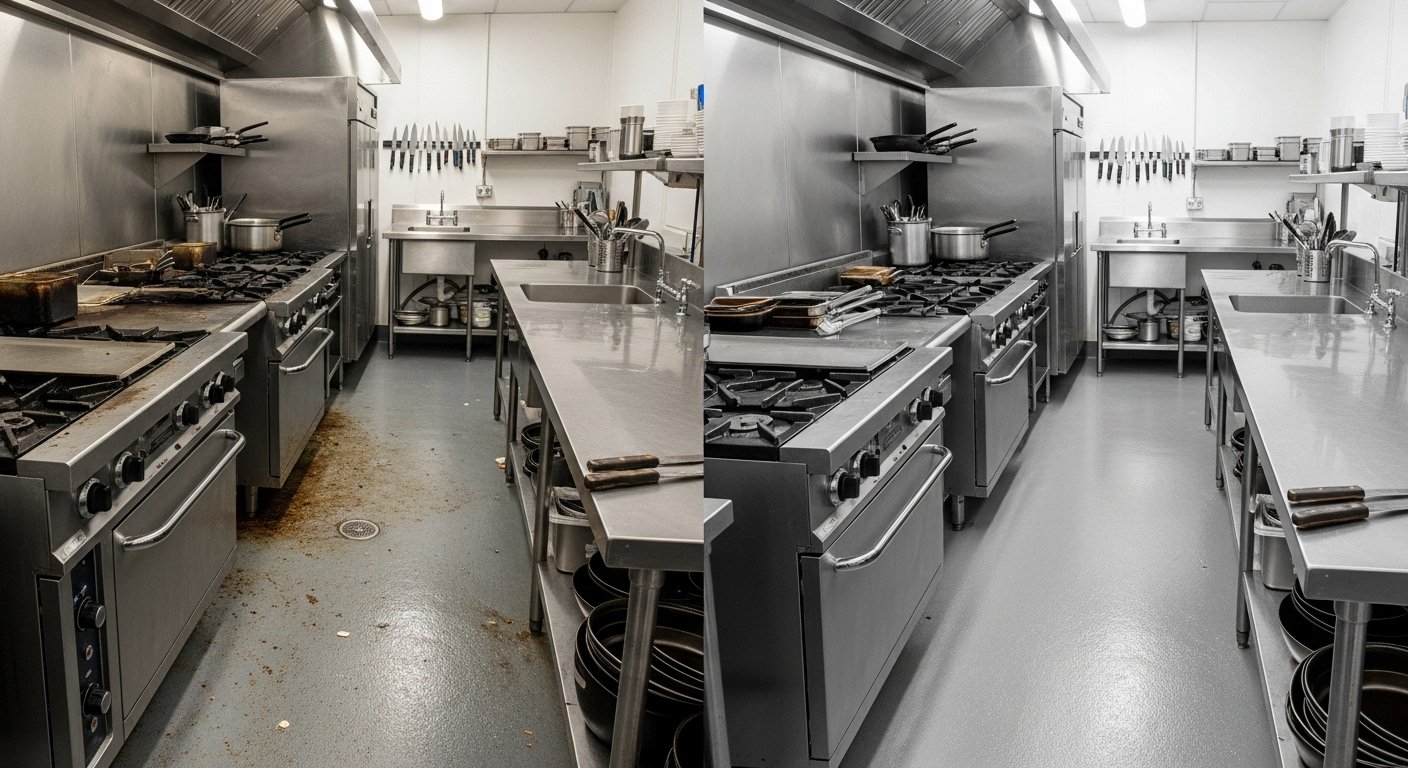
This guide explains what NFPA 96-oriented cleaning requirements mean in practical terms in practical terms. Operators often look for one flat number, but hood and exhaust work is priced around how the kitchen actually operates. full-system thinking, documentation, frequency, trained service, and visible vs hidden grease all influence what the job requires.
When operators do not understand the moving parts, they either under-schedule service and end up with a larger problem later, or they compare quotes that are not describing the same scope. The better approach is to understand what changes the labor, the urgency, and the record-keeping expectations before you commit.
Full-system thinking can significantly change the amount of labor, access planning, and documentation needed for the job.
Documentation can significantly change the amount of labor, access planning, and documentation needed for the job.
Frequency can significantly change the amount of labor, access planning, and documentation needed for the job.
Trained service can significantly change the amount of labor, access planning, and documentation needed for the job.
Visible vs hidden grease can significantly change the amount of labor, access planning, and documentation needed for the job.
For most commercial kitchens, the best planning habit is to match service frequency to actual cooking conditions, not just hope that visible hood wiping is enough. High-volume fryers, charbroilers, and all-day cooking lines usually need more attention than lower-grease prep kitchens. It is also smart to keep service records organized and easy to find. When an inspection, insurance request, property transfer, or opening deadline shows up, those records become immediately important.
Another point many operators miss is that speed changes price. Same-day, overnight, and emergency work can be worth it when downtime is expensive, but they should be understood as a scheduling choice tied to urgency rather than the standard baseline.
Questions about what NFPA 96-oriented cleaning requirements mean in practical terms usually point back to one basic issue: the kitchen needs the right cleaning scope and the right schedule. That may mean recurring hood cleaning, a deeper exhaust system cleaning, a compliance-focused service, or an urgent response after a failed inspection. The key is matching the service to the real condition of the system.
Read the related service page for a more detailed look at how that work is handled.
Yes. Basic pricing direction is easier when you share your city, hood count, kitchen type, and whether the service is routine or urgent.
Usually, yes. Heavier buildup takes more labor and often requires a wider cleaning scope.
Yes. Clear service records are part of staying organized for inspections, ownership, and insurance files.